A home can have a high price tag and still not feel truly exceptional. That is usually the first surprise for buyers asking what makes a home luxury. In our market, luxury is not defined by one finish, one zip code, or even one sales number. It is defined by how a property lives, how it serves the owner, and how well every detail supports comfort, privacy, beauty, and long-term value.
That distinction matters in Tampa Bay, where buyers can choose from waterfront estates, custom homes in gated communities, modern new construction, and beautifully renovated properties in established neighborhoods. Some homes impress at first glance. Fewer continue to feel special after you have lived in them. The difference is where true luxury begins.
Price gets attention, but it does not create luxury on its own. A home becomes luxury when quality, location, design, and lifestyle come together in a way that feels intentional. It should offer more than square footage. It should improve the way you live every day.
That might mean a deep-water dock with quick bay access for one buyer and a private guest casita for another. For a busy family, it may be a floor plan with generous gathering spaces, a first-floor primary suite, and room for work, fitness, and entertaining without compromise. For an empty nester, it may be effortless indoor-outdoor living, elevated finishes, and lock-and-leave convenience.
Luxury is personal, but it is never random. The best luxury homes are carefully planned and consistently executed. They do not ask buyers to overlook too much or spend heavily after closing to make the property feel complete.
Location still leads the conversation
In real estate, location always matters. In luxury real estate, it matters even more because it shapes lifestyle, privacy, views, and resale strength.
A luxury home in Tampa Bay may stand out because it sits on open water, within a private golf community, near top schools, or in one of the area's most established neighborhoods. South Tampa, Carrollwood, Westchase, Lutz, New Tampa, and select waterfront areas all appeal to different buyers for different reasons. Some want walkability and access to dining and business centers. Others want land, quiet, or direct boating access.
The trade-off is that no location gives you everything. A waterfront home may offer stunning views and a resort feel, but insurance, maintenance, and storm preparation can play a larger role. A gated community may offer privacy and amenities, but also HOA expectations. A larger homesite farther out may provide space and serenity, while adding commute time. Luxury buyers usually understand this. The goal is not perfection. It is choosing the right priorities for your lifestyle.
Design quality is visible and invisible
One of the clearest answers to what makes a home luxury is the level of design quality throughout the property. That starts with architecture, but it does not end there.
A luxury home should feel cohesive. Room proportions make sense. Natural light is considered. Ceiling heights add openness without feeling excessive. Materials are selected for both beauty and performance. When a home is well designed, you notice the ease of movement from one space to another, the way sightlines frame the outdoors, and how public and private areas are balanced.
The invisible details matter just as much. Solid construction, quality windows and doors, superior insulation, thoughtful storage, and well-planned mechanical systems all contribute to a more comfortable and refined experience. Buyers sometimes focus first on countertops and lighting, but seasoned luxury buyers also ask about age of the roof, HVAC zoning, flood considerations, generator capability, and smart home integration. Those are practical details, but in a true luxury property, practical and beautiful should coexist.
Finishes should feel elevated, not simply expensive
Luxury finishes are not about choosing the most costly option in every room. They are about choosing the right materials and using them with restraint and consistency.
Natural stone, wide-plank hardwoods, custom millwork, designer lighting, premium appliances, and tailored built-ins often signal a higher level of home. So do details like integrated refrigeration, hidden walk-in pantries, spa-style bathrooms, curated hardware, and custom closet systems. But quality finishes only create value when they fit the architecture and are installed well.
This is where many homes miss the mark. A property may have imported tile, a dramatic chandelier, and a chef's kitchen, but if the selections feel disconnected or overly trend-driven, the home can feel dated quickly. Lasting luxury tends to be quieter. It feels collected, balanced, and intentional.
Privacy, comfort, and convenience matter more than ever
Luxury today is not only about showing well. It is about living well. That shift has changed what many buyers prioritize.
Privacy is a major factor. It may come from a gated entry, a large lot, mature landscaping, a well-positioned floor plan, or simply a smart orientation that protects key living areas from neighboring views. Comfort is just as important. Spacious primary suites, true guest accommodations, multiple living areas, home offices, fitness rooms, and well-equipped outdoor spaces all support the way people use their homes now.
Convenience often separates a beautiful home from a genuinely luxurious one. An oversized laundry room near the primary closet, a drop zone near the garage, an elevator in a multilevel home, a well-designed prep kitchen, or motorized screens on the lanai may sound like smaller choices, but they improve everyday life in a meaningful way. In luxury real estate, ease matters.
Lifestyle amenities define the experience
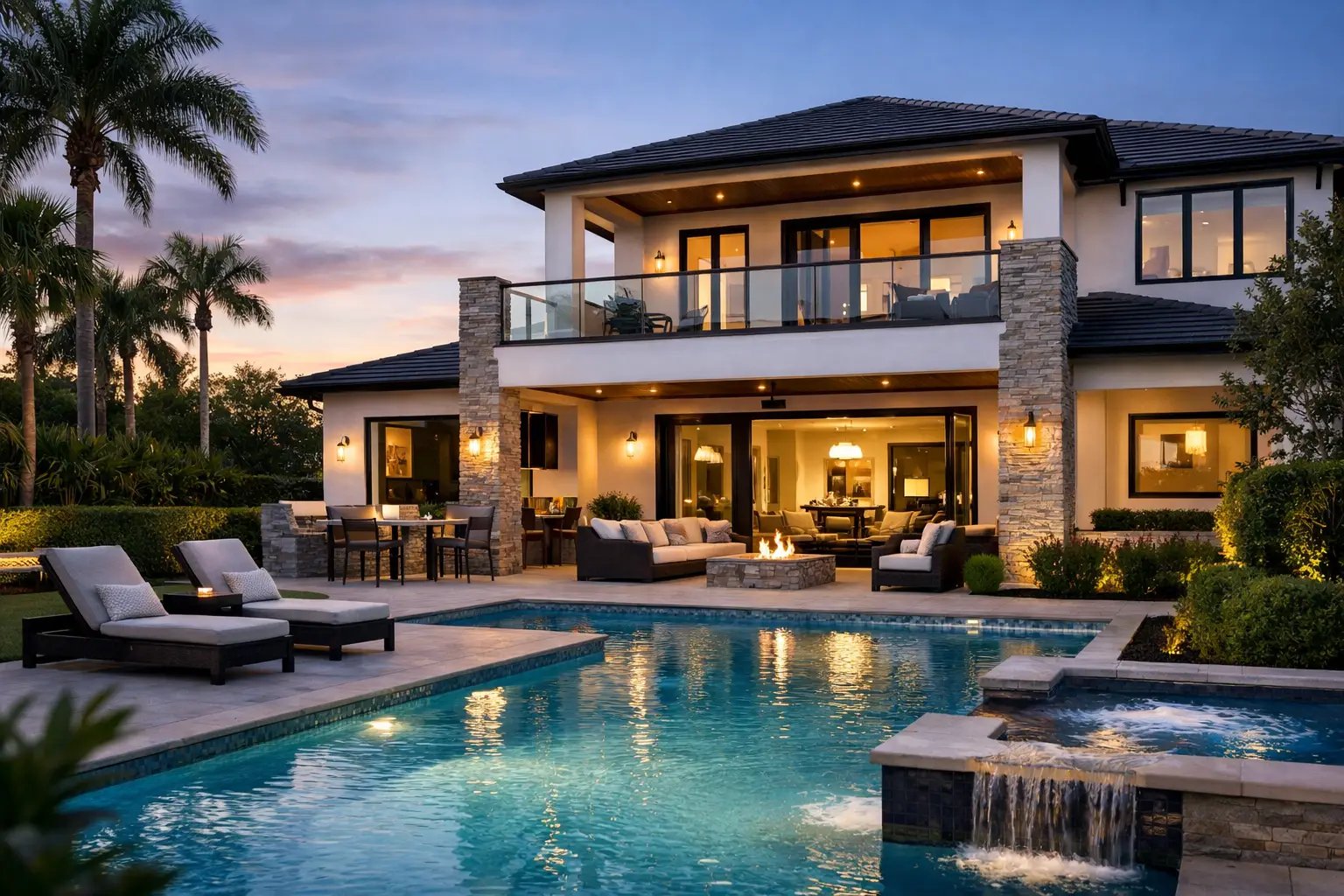
Many buyers first recognize luxury through amenities because they make the lifestyle immediately visible. A resort-style pool and spa, an outdoor kitchen, a climate-controlled wine room, a home theater, a private dock, or a detached guest house all shape how a property is enjoyed.
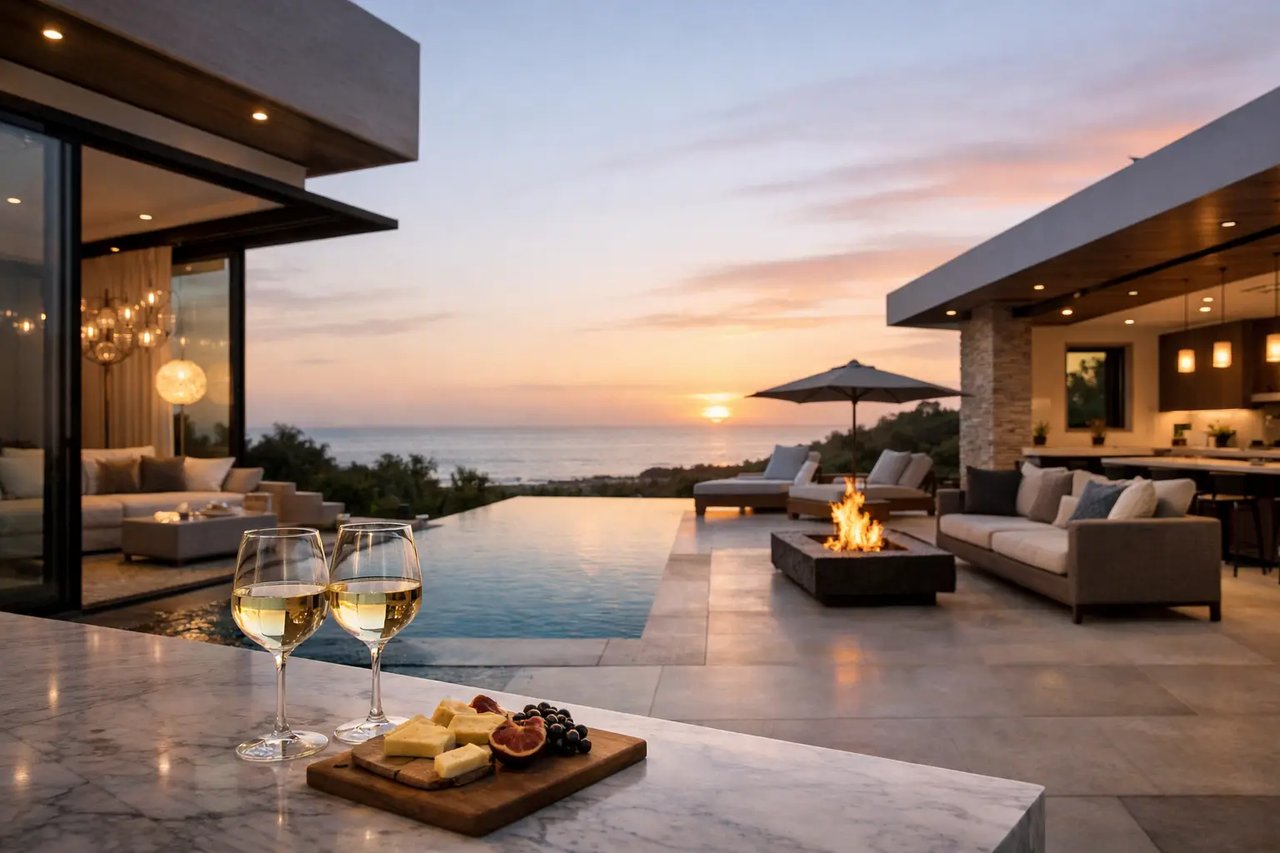
Still, amenities are not equally valuable in every market or for every buyer. In Tampa Bay, outdoor living tends to carry more weight because of the climate. Covered lanais, summer kitchens, expansive sliders, fire features, and waterfront entertaining areas often deliver both enjoyment and appeal. A luxury condo may lean more heavily on views, security, service, and building amenities, while a custom estate may derive value from land, privacy, and one-of-a-kind features.
The key is relevance. The best amenities align with the home, the location, and the buyer profile likely to be interested in it later.
Craftsmanship and condition influence long-term value
Luxury buyers are not just buying a look. They are buying a standard. That is why craftsmanship and condition matter so much.
A well-maintained home with timeless finishes and strong systems can outperform a flashier property that needs immediate work. Deferred maintenance is especially noticeable in the luxury space because expectations are higher. Buyers want confidence that the home has been cared for at the same level at which it is being marketed.
For sellers, this matters because presentation alone is not enough. For buyers, it means inspections and due diligence remain essential, even in a competitive market. A polished appearance should be supported by substance.
What makes a home luxury in Tampa Bay specifically
In our area, luxury often carries a strong lifestyle component. Waterfront access, sunset views, boating convenience, outdoor entertaining, storm-smart construction, and proximity to both everyday conveniences and destination amenities can all elevate a property.
Tampa Bay buyers also tend to value flexibility. Homes that support multigenerational living, visiting guests, hybrid work, and year-round entertaining often stand out. In that sense, local luxury is not only about prestige. It is about function wrapped in a refined setting.
That is one reason the same home may feel luxurious to one buyer and less compelling to another. A sleek contemporary with walls of glass may be perfect for someone who loves modern design and hosting. Another buyer may place more value on a traditional custom home with a library, expansive grounds, and a private waterfront setting. Neither is wrong. Luxury is broad, but it is never generic.
For anyone buying or selling in this space, clarity is everything. Understanding what makes a home luxury helps you evaluate a property more intelligently, price it more accurately, and focus on the features that truly matter in the eyes of the market. And when a home combines the right location, design, comfort, and lifestyle appeal, people feel it almost immediately.