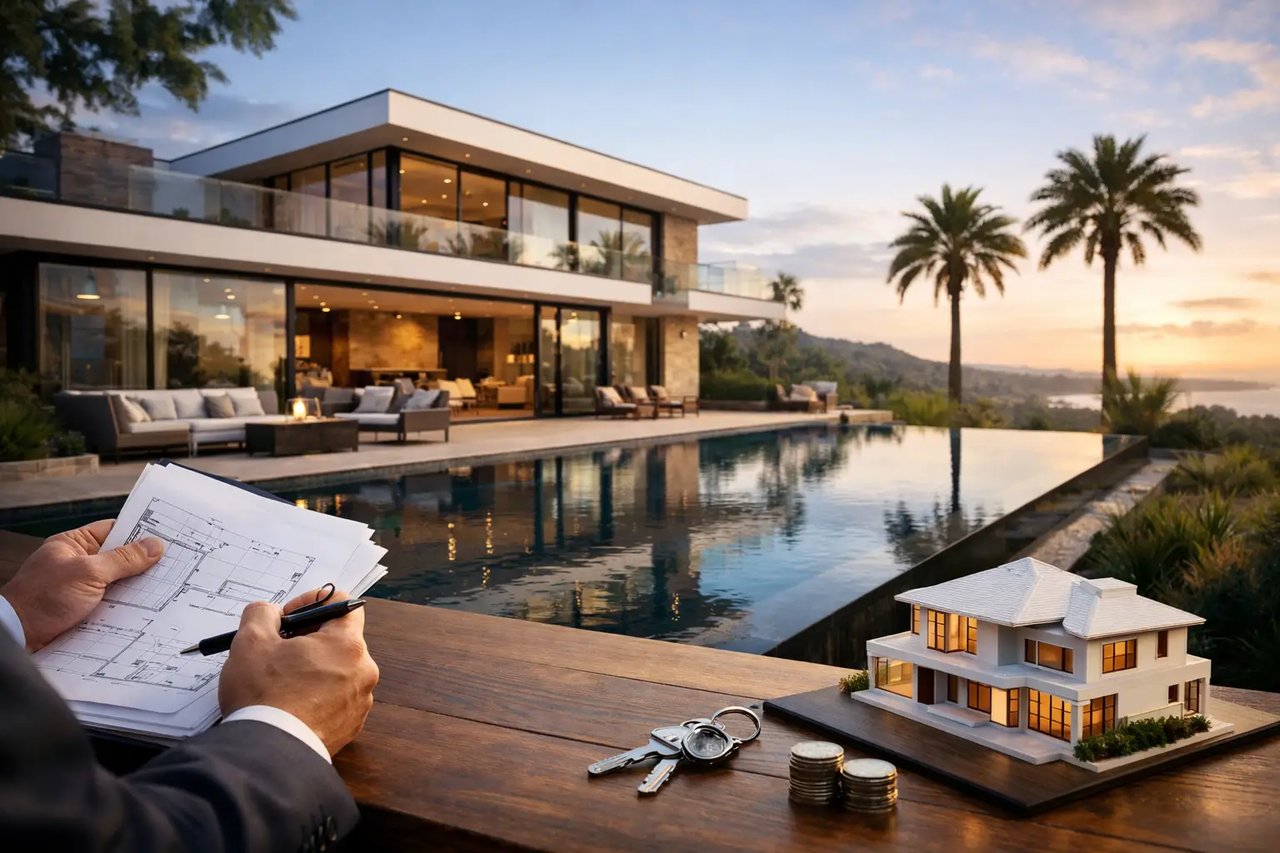
A luxury home can be beautifully updated, professionally staged, and marketed with exceptional photography - and still sit on the market if the price misses the mark. That is why learning how to price a luxury home is less about picking an aspirational number and more about reading the market with precision.
In Tampa Bay, that challenge is even more pronounced. Waterfront location, lot orientation, school zones, architectural style, renovation quality, and even storm resilience can shift value in ways that do not always show up clearly in a standard pricing model. Luxury buyers are selective, well-informed, and often comparing your property against a small pool of high-end alternatives, not the broader neighborhood average.
How to price a luxury home without guessing
Pricing a luxury property starts with a mindset shift. In the luxury segment, value is not determined by square footage alone. Two homes with similar size can command dramatically different prices based on privacy, views, finishes, dock access, floor plan, or the reputation of the street itself.
That is why a simple online estimate rarely helps at the top of the market. Automated tools often struggle when there are fewer direct comparables, and luxury inventory tends to be more unique by nature. A custom Mediterranean estate in South Tampa, a modern waterfront home in Westchase, and a gated executive property in Lutz may all appeal to different buyers even at similar price points.
The right pricing strategy combines hard data with local judgment. Closed sales matter, but so do active competition, recent price reductions, buyer demand, showing activity in your price tier, and how your home presents compared with what else is available right now.
Comparable sales matter, but not in the usual way
For a traditional home, agents can often pull several recent sales within a narrow radius and get fairly close to market value. In luxury real estate, the comparable process is more interpretive.
The best comps are recent sales of homes that would have been true substitutes for your buyer. That may mean looking beyond a strict subdivision boundary or going back a bit further in time if inventory has been limited. It also means making thoughtful adjustments for things that luxury buyers care deeply about, such as water frontage, outdoor living, guest accommodations, elevator access, premium appliances, or a newer roof and windows.
One of the biggest pricing mistakes sellers make is choosing comps that support the number they want rather than the number the market will support. A home that sold at a record price may not be a true benchmark if it had a larger lot, direct bay access, better elevation, or a level of finish that your property does not match.
The opposite can also happen. If a seller anchors to a lower nearby sale without accounting for superior condition or a more desirable setting, they may leave meaningful equity on the table. Good pricing is rarely about averaging numbers. It is about understanding which details actually influenced the sale.
Active listings shape your ceiling
Closed sales tell you where the market has been. Active listings tell you what buyers are choosing between today.
This matters because luxury buyers often move slowly and compare carefully. If your home is listed at $2.8 million and a nearby competing property offers a better view, newer finishes, and stronger outdoor entertaining space at $2.75 million, your pricing strategy has a problem even if an older comp suggests your number is possible.
When considering how to price a luxury home, sellers should pay close attention to the homes that have not sold as well. Stale inventory can be revealing. If similar luxury listings have lingered for months, the issue is often price, presentation, or both. A home does not become more desirable simply because the seller starts high. In many cases, the strongest buyer interest comes in the first few weeks, when the listing feels fresh and worth a serious look.
The first price is your best marketing decision
Luxury pricing is not separate from marketing. It is part of the marketing.
A well-priced home attracts the right buyers, creates urgency, and gives your marketing a stronger return. A poorly priced home can blunt even the best campaign because qualified buyers may never schedule a showing, or they may view the property with immediate skepticism.
This is especially true online, where price filters shape visibility. If your home should be positioned at $2.95 million but is listed at $3.25 million, you may miss buyers searching below $3 million while failing to persuade buyers shopping well above that threshold. The listing can end up in the wrong conversation entirely.
In the luxury market, perception matters. Repeated price drops can signal weakness, create doubt, and invite low offers. Buyers start asking what is wrong with the property, even when the real issue was simply an unrealistic launch price.
Emotional value and market value are not the same
Luxury homeowners often have significant emotional and financial investment in their property. They may have completed custom renovations, selected one-of-a-kind finishes, or created a lifestyle around the home that feels impossible to quantify.
That emotional value is real, but the market does not always reimburse every dollar spent. A $300,000 renovation may improve salability and buyer appeal without producing a full dollar-for-dollar increase in list price. Some upgrades carry strong value in the eyes of buyers, while others are highly personal.
This can be one of the hardest parts of the pricing conversation. Sellers are not wrong to feel their home is special. The challenge is that buyers place a premium on features differently, and they are still comparing your home against alternatives. The goal is not to diminish what you have built. It is to position it in a way that gets recognized and rewarded by the market.
Timing changes the strategy
There is no single formula for how to price a luxury home because timing affects leverage.
In a market with low inventory and strong demand, a seller may have room to test the upper end of value if the home is truly exceptional and well presented. In a slower environment, buyers gain negotiating power, and pricing becomes more exacting. If interest rates are affecting jumbo loan buyers, or if seasonal patterns are thinning the pool, an aggressive number can work against you quickly.
In Tampa Bay, seasonality and buyer mix can influence strategy as well. Some neighborhoods draw local move-up buyers, while others attract relocation clients, second-home buyers, or cash purchasers focused on waterfront lifestyle. Each group behaves a little differently. The more you understand your likely buyer, the more accurately you can price for their expectations.
Condition, presentation, and pricing are tied together
A luxury home does not need to be brand new to command a premium, but it does need to compete well.
If your property is turnkey, your pricing can reflect that convenience. If it needs cosmetic updates, deferred maintenance repair, or more thoughtful staging, the price should leave room for the buyer to absorb those improvements. High-end buyers are not always afraid of work, but they are usually very aware of what that work will cost.
This is where honest pre-listing guidance becomes valuable. Sometimes a strategic refresh - paint, lighting, landscaping, hardware, or refinished floors - can meaningfully improve pricing power. Other times, it makes more sense to price with the current condition in mind and let the next owner personalize the home. The right answer depends on the property, the neighborhood standard, and the likely buyer profile.
Why local expertise matters in luxury pricing
The higher the price point, the more costly pricing mistakes become. A small percentage error on a luxury property can mean a large gap in final outcome, time on market, and negotiating position.
That is why experienced local guidance matters so much. A skilled luxury agent is not just pulling comps. They are reading buyer behavior, understanding neighborhood micro-markets, evaluating competition, and helping you decide where your home fits in the current landscape. They also know when a home deserves a premium and when the smarter move is to create momentum rather than test the ceiling.
For sellers in Tampa Bay, this requires more than broad market knowledge. It requires familiarity with how buyers perceive different waterfront locations, gated communities, school zones, commute patterns, flood considerations, and architectural styles across the area. That local insight is often where pricing gets sharpened.
At The Ward Team, that conversation is never about pushing a number for the sake of winning a listing. It is about building a pricing strategy that protects your value, supports the marketing plan, and gives your home the strongest chance to stand out with the right buyers.
A luxury home deserves more than a hopeful price tag. It deserves a strategy grounded in experience, honesty, and a clear understanding of what buyers will recognize as worth pursuing.